

SIGMA ICC designs power (CFO) installations
- Design of the power electrical installation based on the building's needs and current standards.
- Design of the electrical single-line diagrams and equipment locations to ensure efficient power distribution throughout the building.
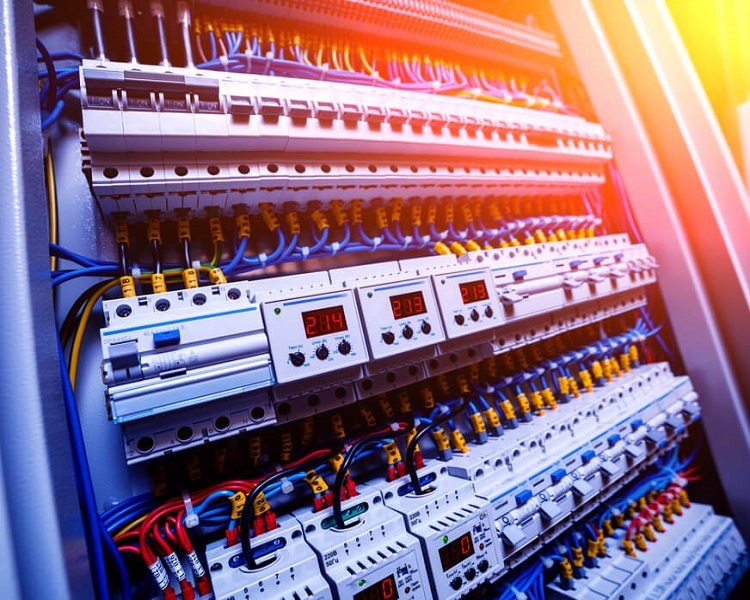
- Electrical equipment such as transformer substations, distribution boards, electrical cabinets and protective devices.
- Cable tray routing to carry cables and wires in an organized, safe manner throughout the building.
- Wiring of electrical equipment in every area of the building.
- Testing and inspections required to ensure the power electrical installation operates correctly.
- Regular preventive maintenance to guarantee the reliability and safety of the power electrical installation.
- Photovoltaic power generation.
SIGMA ICC designs low-voltage (CFA) installations
- Structured cabling (voice, data, video) in copper and fibre optic, along with connection to utility providers for optimal connectivity.
- FTTO and FTTH distribution, entirely in very-high-speed fibre optic for smooth, fast data exchange.
- PBX telephone systems, Wi-Fi and DECT networks for efficient communication throughout the premises.
- Fire safety system (SSI) to protect people and property.
- Security systems including access control, intrusion detection, CCTV, intercom and overall system supervision (hypervision).
- Nurse call systems and hearing-loop amplification for the hearing impaired, to meet everyone's needs.
- Public address systems (general and emergency voice alarm) for clear, intelligible audio messages.
- Digital signage, TV reception and distribution, audiovisual and multimedia systems for an optimal user experience.
- Building management system (BMS) and centralized technical management to optimize energy consumption, occupant comfort and maintenance of the installations.
- Parking guidance and space-counting systems to ease vehicle circulation and parking.
FAQ
What types of electrical cables are used in buildings?
Electrical cable types commonly used in buildings include R2V cable, U1000R2V cable and H07RN-F cable.
What is the difference between a circuit breaker and a fuse?
A circuit breaker is an electrical safety device that cuts off the current in the event of an overload or short circuit, whereas a fuse melts to cut off the current.
What is earthing (grounding) and why is it important?
Earthing is an electrical connection between the components of an electrical circuit and the ground. It protects people against electric shock and ensures that equipment operates correctly.
How is the required electrical capacity of a building determined?
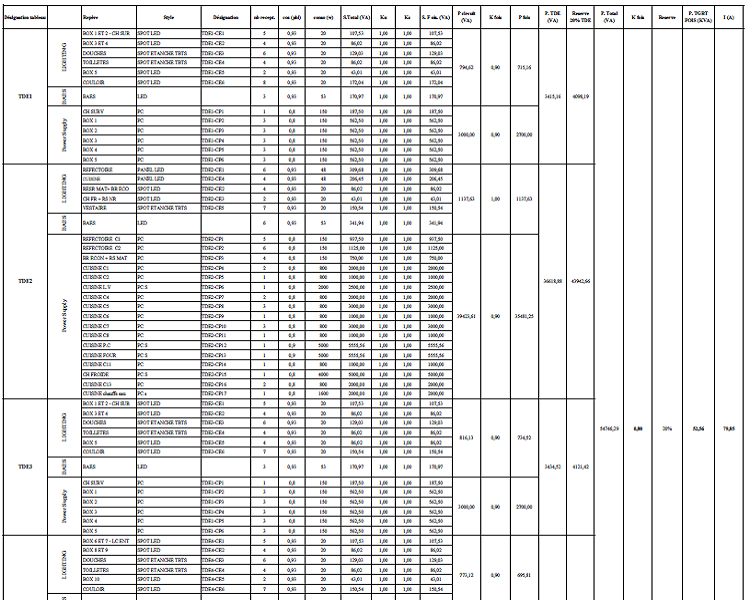
The electrical capacity required for a building depends on the number of electrical appliances used in it. A complete assessment of all electrical appliances in the building is needed to determine the required capacity.
How can electricity be saved in a building?
Energy savings in a building can be achieved by using LED bulbs, installing motion-sensor lighting, using energy-efficient appliances and installing a thermal control system.